
Chasing Illusions: Exploring "Catch Me If You Can"
Opinion: Made a strong impression—stood out in key ways.

In a world where the line between fact and fiction often blurs, there exists a realm of true stories that defy belief, leaving us spellbound and questioning the boundaries of human ingenuity.
Released in 2002, 'Catch Me If You Can' is a cinematic marvel that seamlessly blends elements of drama, comedy, and crime. This riveting film, which was based on the true story of Frank Abagnale Jr. lying about his true story, captivates viewers from the very beginning and keeps them on the edge of their seats throughout. With an impeccable cast, including Leonardo DiCaprio, Tom Hanks, and Christopher Walken, and a screenplay penned by Jeff Nathanson, 'Catch Me If You Can' is a true gem in the world of cinema.
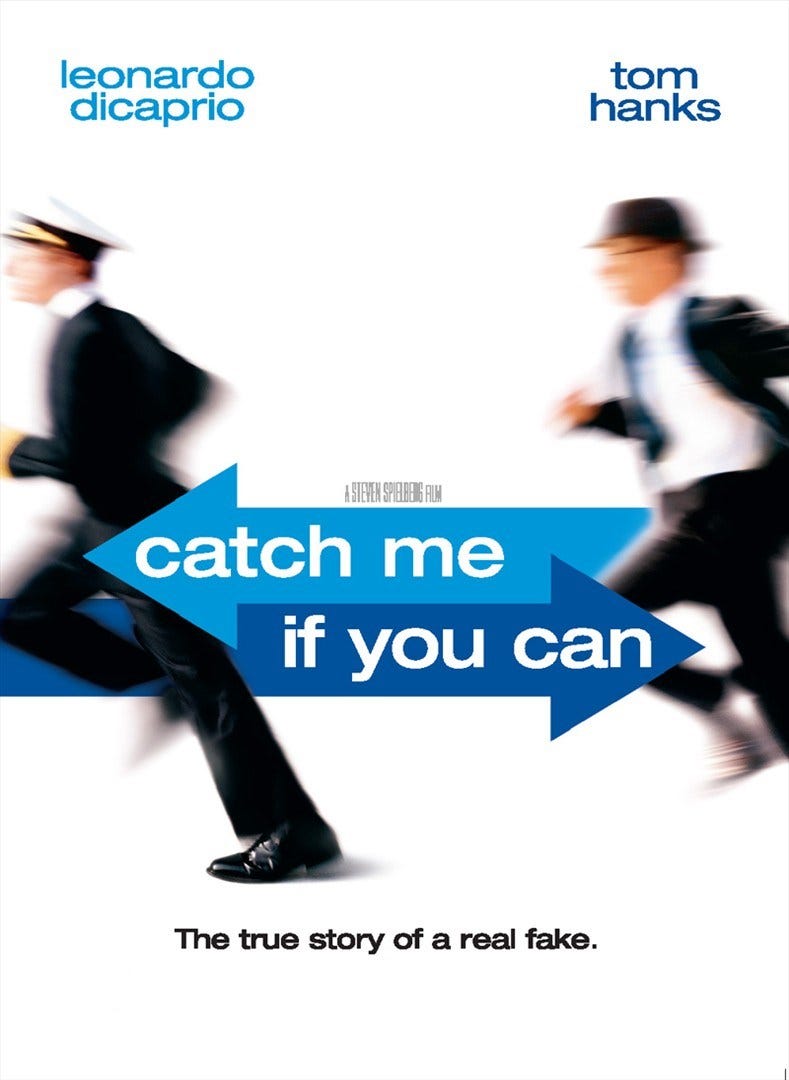
The film unfolds against the backdrop of the 1960s, a time when the world was undergoing rapid social and technological change. It introduces us to Frank Abagnale Jr., a master of deception, who manages to successfully assume various identities, forge documents, and elude the authorities. But his pursuit by the relentless FBI agent, Carl Hanratty, creates a narrative that is as suspenseful as it is heartwarming.
As we journey through the intricate plot and multi-faceted characters of 'Catch Me If You Can,' we are invited to examine themes of identity, family, and the consequences of our choices. This film is not just a thrilling chase; it's a thought-provoking exploration of the human condition and the enduring pursuit of truth.
A Cat and Mouse Chase
At its core, 'Catch Me If You Can' is a captivating cat-and-mouse game, played out between two brilliantly portrayed characters: Frank Abagnale Jr. and Carl Hanratty. The film kicks off with an audacious escape, where Frank impersonates a Pan Am pilot to evade capture, setting the stage for a thrilling narrative ride. This gripping opening scene instantly immerses us in Frank's world, where deceit is an art form and escape is a matter of life and liberty.
As the story unfolds, we are treated to a series of meticulously orchestrated cons, each more daring and ingenious than the last. Frank's ability to slip seamlessly into new identities keeps us on the edge of our seats, marveling at his intellect and audacity. Each caper is a symphony of deception, showcasing his ingenuity and charisma. From posing as a doctor to forging checks, from charming his way into high society to outsmarting the FBI, Frank's exploits are as entertaining as they are morally complex.
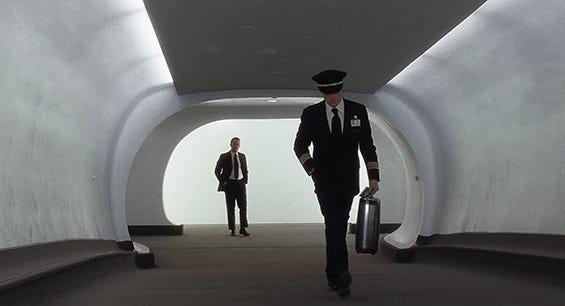
However, 'Catch Me If You Can' is not merely a series of thrilling heists; it is a narrative that deftly explores the psychology of its characters. Frank's relentless pursuit of his own identity is at the heart of the story. His actions, while criminal, are rooted in a deeper desire to escape the pain of his fractured family and to carve out a place for himself in the world. This quest for identity and belonging adds a layer of depth and humanity to his character that transcends the conventional boundaries of a crime caper.
Carl Hanratty, on the other hand, is a dedicated FBI agent who finds himself in a moral and professional conundrum. His single-minded pursuit of Frank is driven by a deep sense of duty and a desire for closure. Yet, as the chase intensifies, he begins to see Frank not just as a criminal but as a complex individual, leading to a subtle shift in their dynamic. The film expertly navigates this transformation, blurring the lines between hunter and hunted, and inviting us to contemplate the complexities of justice and morality.

Moreover, 'Catch Me If You Can' masterfully balances moments of tension with humor. Frank's quick thinking and charismatic persona make him an endearing antihero, and his interactions with Carl, often infused with witty repartee, provide comic relief amidst the high-stakes drama. This blending of suspense and levity is a testament to the film's storytelling prowess, allowing it to resonate with a broad spectrum of emotions.
The Masterful Performances
Among the myriad facets that collectively contribute to the enduring charm of 'Catch Me If You Can,' one aspect stands out with particular brilliance—the impeccable casting and the exceptional performances of its leading actors. As we delve deeper into this cinematic treasure, it becomes abundantly clear that the choice of talent for this film was nothing short of a stroke of genius.
At the heart of 'Catch Me If You Can' is the magnetic presence of Leonardo DiCaprio, who, at the time, was already renowned for his captivating performances but had yet to fully establish himself as the Hollywood juggernaut he would later become. As Frank Abagnale Jr., DiCaprio delivers a tour de force performance that showcases his remarkable range as an actor. His ability to seamlessly transition between various personas and capture the essence of a charming con artist is nothing short of mesmerizing.
DiCaprio's portrayal of Frank is a testament to his dedication to his craft. He effortlessly embodies the multi-faceted character, taking us on a rollercoaster ride of emotions. We witness him as the audacious young forger, confidently assuming new identities, and then, just as convincingly, as the vulnerable son craving his father's approval. DiCaprio's Frank is, in equal parts, sympathetic and enigmatic, making it impossible for the audience not to be captivated by his audacious exploits, even in the face of the criminality of his actions.
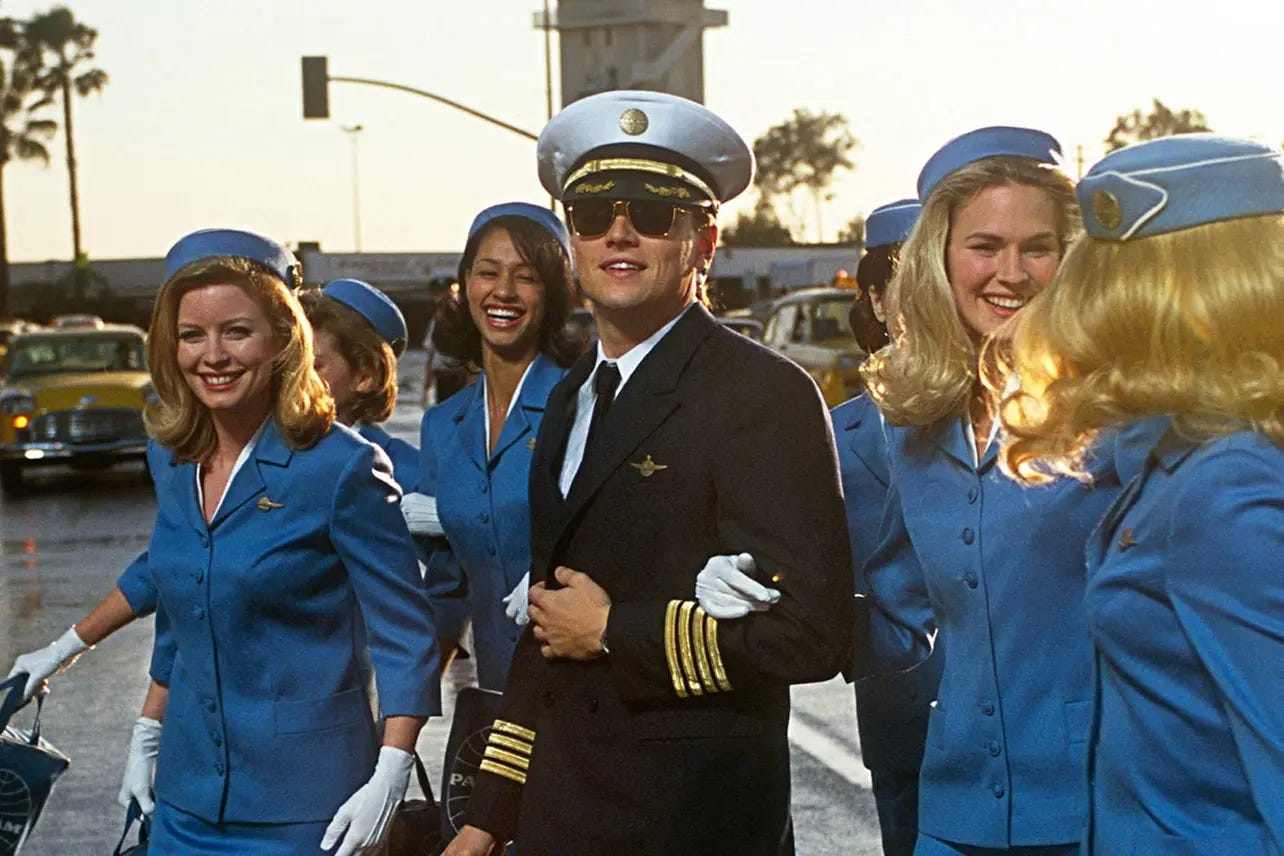
However, DiCaprio's brilliance in 'Catch Me If You Can' goes beyond his ability to portray Frank's cunning escapades. He infuses the character with a unique vulnerability, allowing us to glimpse the complex motivations behind Frank's criminal activities. This depth and complexity in his portrayal provide the audience with more than just a thrilling cat-and-mouse chase; it offers a rare opportunity for introspection and understanding.
On the opposite side of the law, Tom Hanks brings an unwavering intensity to the character of Carl Hanratty, the determined FBI agent hot on Frank's trail. Hanks, an actor celebrated for his versatility and emotional depth, delivers a performance that serves as a perfect foil to DiCaprio's Frank. His portrayal is marked by a meticulous attention to detail, perfectly embodying the relentless pursuit of justice.
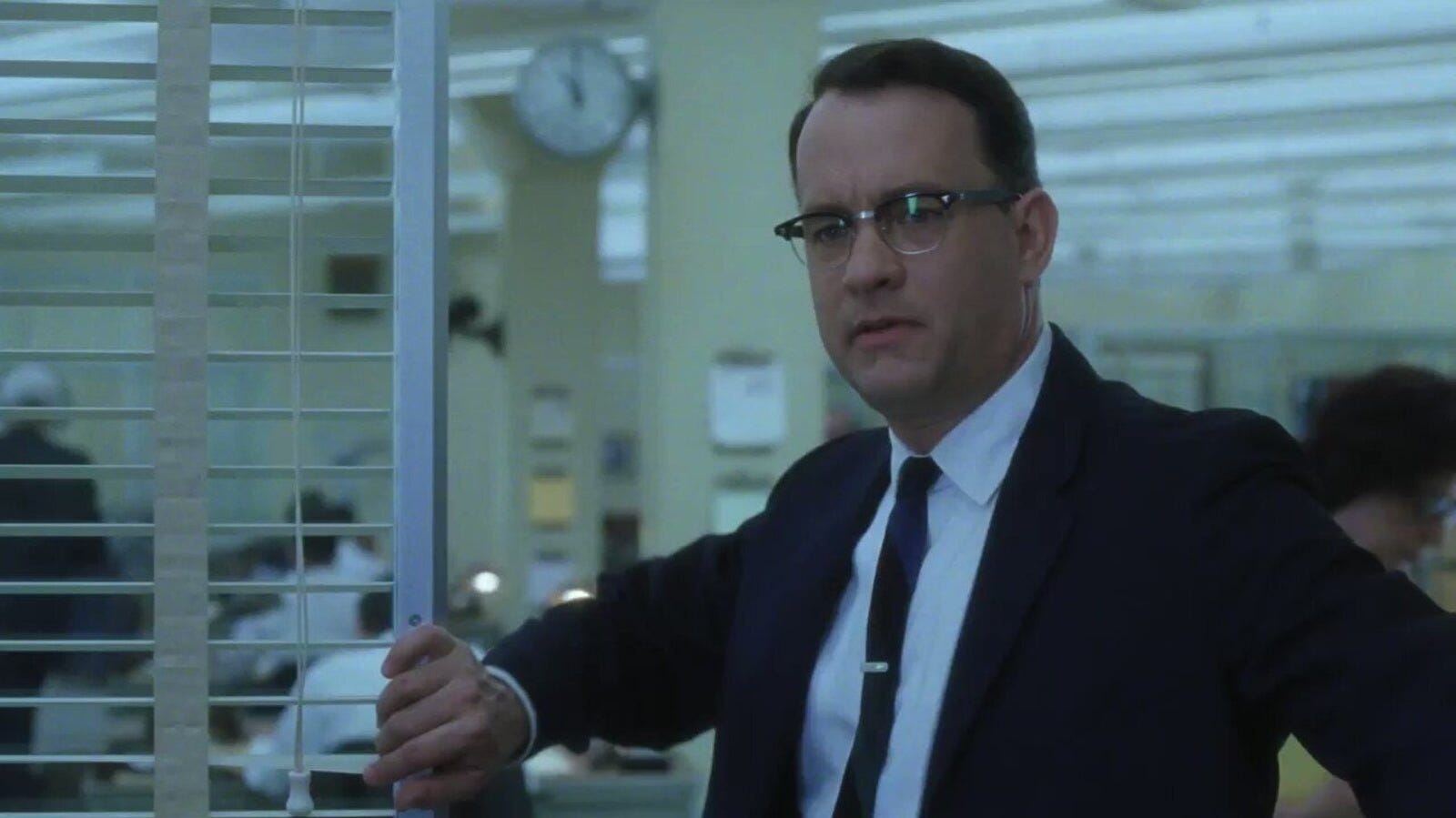
Hanks' Carl Hanratty is a character rooted in duty and perseverance. We witness the toll that Frank's elusive tactics take on him, both professionally and personally, and Hanks navigates this complex emotional landscape with remarkable finesse. His portrayal is not just about catching a criminal; it's about understanding the human being behind the crimes, making it a character study as much as a crime drama.
The on-screen chemistry between DiCaprio and Hanks is a sight to behold. Their characters engage in a high-stakes game of cat and mouse, each driven by their own sense of purpose and morality. This dynamic interplay between the two leads not only fuels the film's suspense but also provides a profound exploration of the dichotomy between lawbreaker and law enforcer.
While the central performances of DiCaprio and Hanks undeniably steal the spotlight, 'Catch Me If You Can' boasts an ensemble cast that elevates the film to even greater heights. Christopher Walken, in his role as Frank Abagnale Sr., delivers an unforgettable performance as a father whose love for his son is unwavering, even in the face of his son's criminal actions. Walken's portrayal adds a poignant layer to the film's exploration of family bonds and forgiveness.
Similarly, Amy Adams, in one of her breakout roles, provides a charming and heartfelt portrayal of Brenda Strong, a young woman caught up in Frank's web of deceit. Her character adds a layer of emotional complexity to the narrative, highlighting the impact of Frank's actions on those unwittingly drawn into his world.

Time Capsule of the Swinging '60s
The film's setting, costumes, and overall design transport viewers to a bygone era, immersing them in the cultural and social landscape of the time.
Set against the backdrop of the swinging sixties, 'Catch Me If You Can' captures the essence of an era characterized by dramatic societal changes and rapid technological advancements. The film masterfully recreates this tumultuous period, allowing audiences to step back in time and experience the optimism, glamour, and dynamism that defined the '60s.
One of the most striking aspects of the film's production is its meticulous attention to detail in recreating the physical and visual elements of the era. From the sleek, mid-century modern furniture and the vintage automobiles that populate the frame to the colorful and mod-inspired fashion choices, every aspect of the film's design is a loving homage to the '60s. Production designer Jeannine Oppewall and costume designer Mary Zophres deserve special mention for their outstanding work in capturing the era's aesthetic.

The set design in 'Catch Me If You Can' is a character in itself, contributing to the storytelling by immersing us in the world of the film. Frank's various con schemes unfold in locations that feel authentic to the era, whether it's the bustling airport terminals, the opulent hotel suites, or the cozy suburban homes. These settings not only serve as backdrops for the narrative but also play a crucial role in conveying the mood and atmosphere of each scene.
Mary Zophres' costume design is another standout element of the film's production. The clothing choices for the characters are not only historically accurate but also reflect their personalities and the evolving times. Frank's array of disguises, each accompanied by its own meticulously chosen ensemble, showcases Zophres' keen eye for detail and her ability to communicate character through clothing.
Moreover, the soundtrack of 'Catch Me If You Can' further immerses us in the spirit of the '60s. Composed by the legendary John Williams, the score pays homage to the music of the era with its jazzy and swinging tunes. The music serves as a delightful companion to the film's visuals, enhancing the overall experience and setting the tone for the narrative's dramatic highs and comedic moments.
Identity, Family, and Consequences
Central to the narrative is the theme of identity, which is expertly interwoven throughout the film. Frank Abagnale Jr., portrayed with charismatic brilliance by Leonardo DiCaprio, serves as the perfect embodiment of the fluidity of identity. With each new identity he assumes, whether it's a Pan Am pilot, a doctor, or a lawyer, Frank challenges our understanding of what defines a person. His ability to seamlessly shift personas prompts us to ponder the age-old question: Is identity a fixed construct, shaped by our actions and circumstances, or is it a more elusive and malleable concept that transcends such boundaries?
The theme of identity is further amplified through the lens of Frank's complex relationship with his father, Frank Abagnale Sr., portrayed with heartfelt depth by Christopher Walken. Their emotional connection, despite Frank Jr.'s criminal endeavors, adds layers of complexity to the film. It's a poignant exploration of the enduring bonds of family and the profound love that transcends the choices we make. Through their interactions, 'Catch Me If You Can' invites us to contemplate the intricate dynamics of parent-child relationships, forgiveness, and the redemptive power of familial ties.
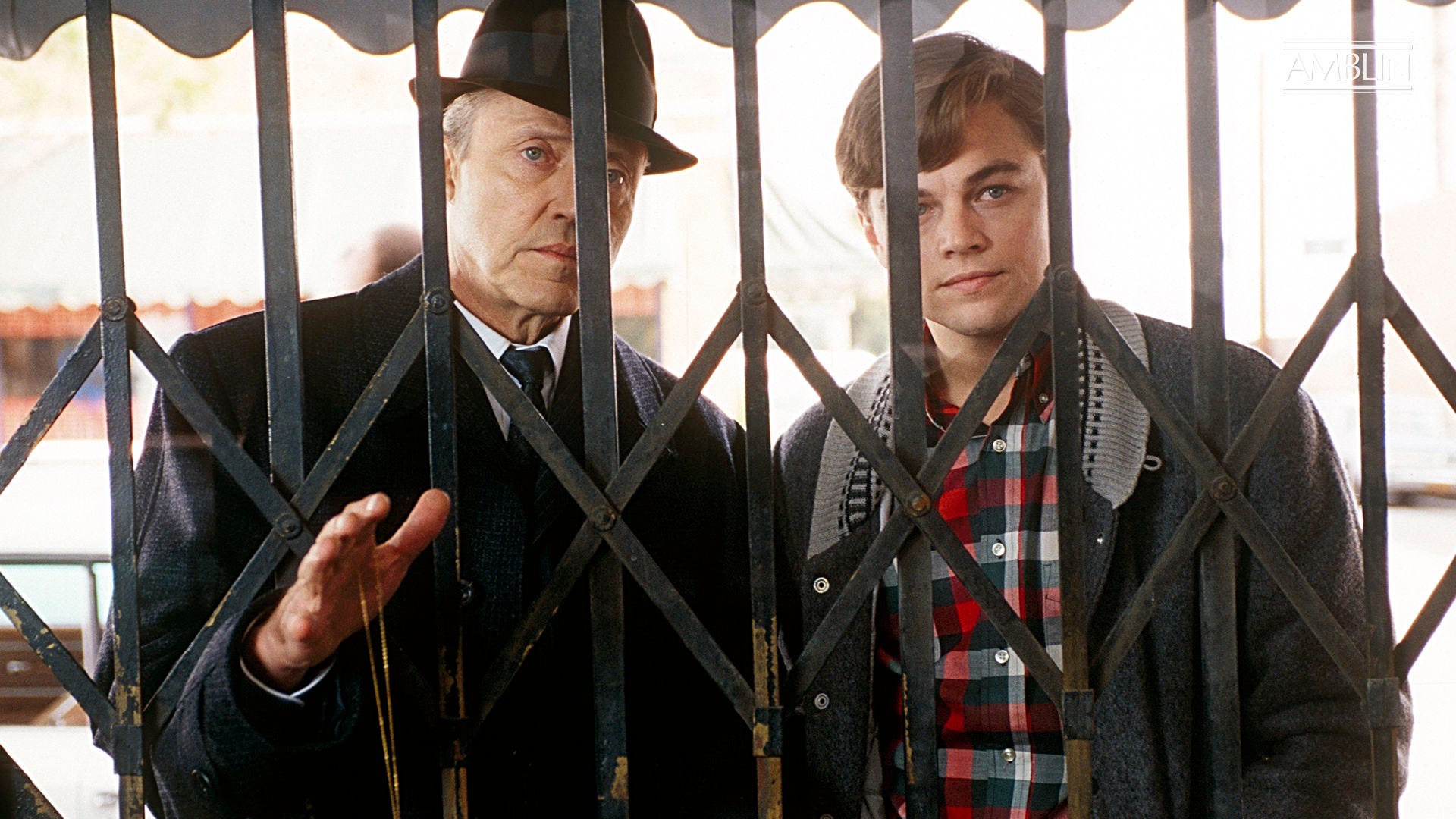
A parallel theme that resonates throughout the film is the concept of choices and their inevitable consequences. Frank Abagnale Jr.'s life of deception and constant evasion of the authorities is a direct result of his choices. His decisions force him into a life where he must always look over his shoulder, never truly at ease. Conversely, Carl Hanratty, the relentless FBI agent portrayed by Tom Hanks, must grapple with the personal toll of his relentless pursuit of Frank. His dedication to catching the elusive con artist often comes at the expense of his own personal happiness, leading us to ponder the sacrifices individuals make in pursuit of their goals.
Furthermore, 'Catch Me If You Can' excels in exploring the moral ambiguity that often characterizes the human experience. The film introduces us to characters who defy easy categorization as heroes or villains. Frank Abagnale Jr., for all his criminality, elicits empathy and admiration through his wit and charm. On the other hand, Carl Hanratty, though dedicated to enforcing the law, is not immune to flaws and insecurities, which makes him a more nuanced character than a mere antagonist. This moral complexity challenges our preconceptions and asks us to confront the idea that people are not always neatly defined by their actions.
Balancing Brilliance and Imperfections
While the film undoubtedly boasts numerous strengths, it's equally important to recognize certain facets that, in my view, warrant thoughtful consideration as potential areas of improvement.
One of the most striking aspects of 'Catch Me If You Can' is its deliberate pacing. The film takes its time to unfold the narrative, allowing for extensive character development and a deep exploration of its central themes. This measured approach grants audiences a unique opportunity to truly understand the complexities of the characters and their motivations. While I greatly appreciated this meticulous attention to detail, there were moments when I found the narrative tempo to be somewhat slow. At times, the plot seemed to linger, and I occasionally wished for a more brisk progression. However, it's important to acknowledge that this measured pacing was a deliberate artistic choice by the filmmakers, intended to provide a comprehensive and immersive experience, rather than a flaw in the storytelling.
Another noteworthy element to discuss is the film's handling of certain relationships. While the central dynamic between Frank Abagnale Jr. and Carl Hanratty is masterfully executed and serves as the narrative backbone, the romantic subplot involving Frank and Brenda (Amy Adams) may leave some viewers yearning for greater depth. There were moments when it felt like a secondary element in the story, not receiving the same level of exploration as the central character interactions. This could be interpreted as a choice to maintain a tight focus on the film's core themes, particularly the cat-and-mouse chase between Frank and Carl. However, it does leave room for further character development, particularly in Brenda's character arc.
Additionally, 'Catch Me If You Can' concludes in a manner that is emotionally resonant and thematically consistent with the rest of the film. Nevertheless, this conclusion introduces an element of ambiguity into certain character arcs. While this ambiguity aligns with the film's exploration of identity, redemption, and the complex nature of human relationships, it may leave some viewers desiring a more definitive resolution for specific characters.
A Journey Through Deception and Redemption
In summary, 'Catch Me If You Can' stands as a cinematic masterpiece that has left an indelible mark on the world of film. With a meticulously crafted narrative, stellar performances, and profound thematic exploration, it offers a captivating journey through the world of deception, identity, and redemption.
The film's deliberate pacing, though occasionally challenging for those seeking a faster narrative tempo, serves a crucial purpose in providing a rich backdrop for character development and thematic depth. It allows audiences to truly immerse themselves in the complexities of the characters and their intricate motivations, adding depth and resonance to the storytelling.
Furthermore, while the central dynamic between Frank Abagnale Jr. and Carl Hanratty takes center stage and is expertly executed, the film's treatment of certain relationships, particularly the romantic subplot, may leave some viewers desiring deeper character development. This aspect, while a potential point of critique, shouldn't overshadow the film's many strengths.
Similarly, the film's conclusion, though it introduces an element of ambiguity into certain character arcs, is emotionally resonant and thematically consistent with the rest of the narrative. While some viewers may wish for a more definitive resolution, it's essential to appreciate how this open-endedness aligns with the film's exploration of identity and the complexities of human relationships.
Ultimately, the positives of 'Catch Me If You Can' far outweigh the negatives. It's a testament to the power of storytelling, the intricacies of human nature, and the enduring appeal of a well-crafted cinematic narrative. Whether you're drawn to its thrilling cat-and-mouse chase, its exploration of the fluidity of identity, or its portrayal of the unbreakable bonds of family, 'Catch Me If You Can' offers a multi-faceted cinematic experience that continues to resonate with audiences of all generations. It's a film that invites reflection, discussion, and appreciation for the artistry of storytelling, showcasing its lasting impact in the world of cinema.